
How to Shape Perfect Round Incense Beads?
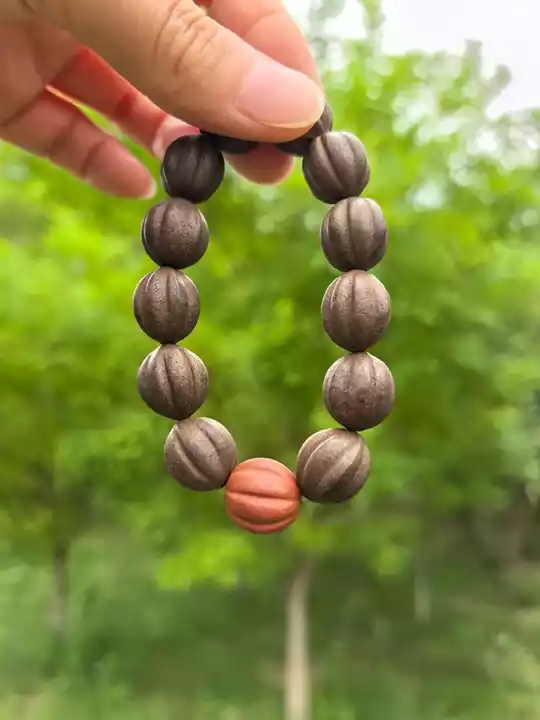
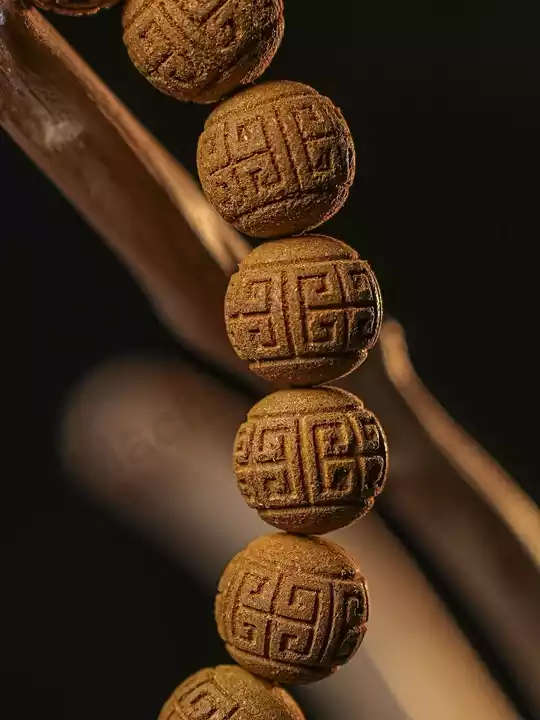
Round incense beads are becoming increasingly popular in the incense and aromatherapy market. Whether made from agarwood, sandalwood, herbal powders, or traditional Chinese incense formulas, well-shaped beads are valued for their elegant appearance, consistent burning performance, and premium market appeal.
However, producing perfectly round incense beads is not as easy as it seems. Small changes in moisture, raw material composition, or forming techniques can affect the final shape.
So, how do manufacturers produce uniform incense beads efficiently?
The Right Raw Material Mixture Is the Foundation
Before shaping begins, the incense powder must be properly prepared.
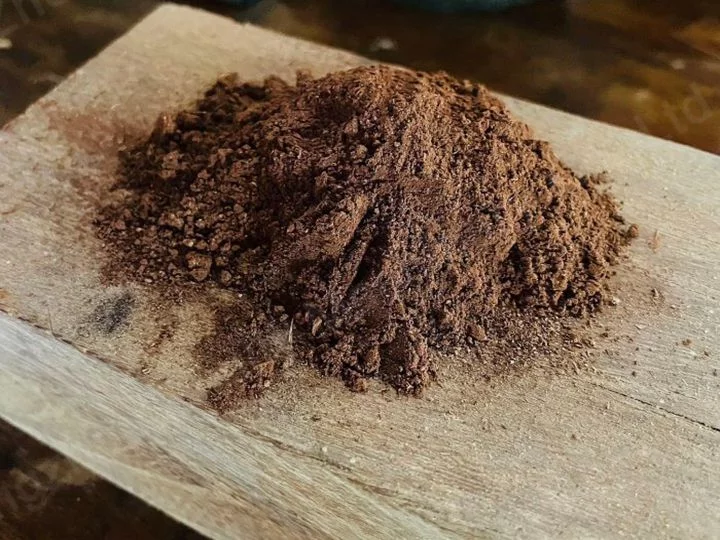
Most incense bead recipes contain finely ground wood powder, herbal ingredients, natural binders, and water. These materials need to be mixed thoroughly so that every particle has a similar moisture content.
If the mixture is too dry, the beads may crack or fail to form. If it contains too much moisture, the beads can stick together or lose their round shape.
Finding the right balance is the first step toward producing high-quality incense beads.
Particle Size Makes a Difference
Many new producers focus on the forming process while overlooking the importance of powder fineness.
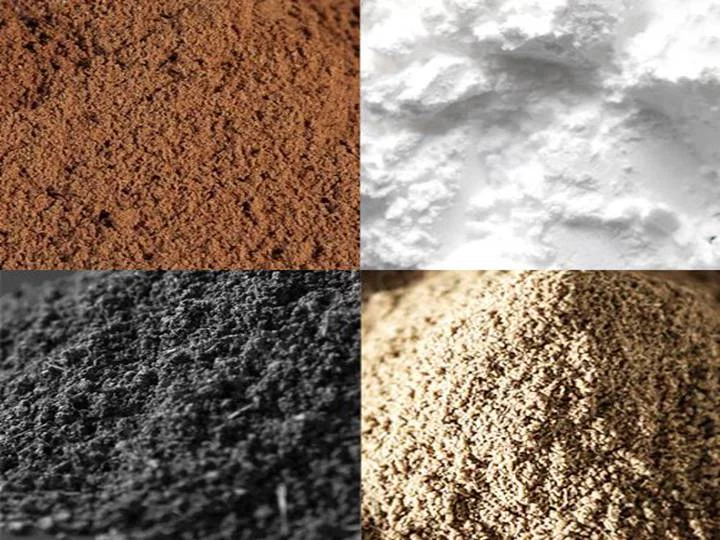
Coarse particles often create rough surfaces, while uneven particle sizes make it difficult to produce beads with a smooth and uniform appearance.
For this reason, manufacturers usually grind and sieve the raw materials before they enter the forming stage.
A consistent powder helps improve both the appearance and quality of the finished incense beads.
The Rolling Process Determines the Shape
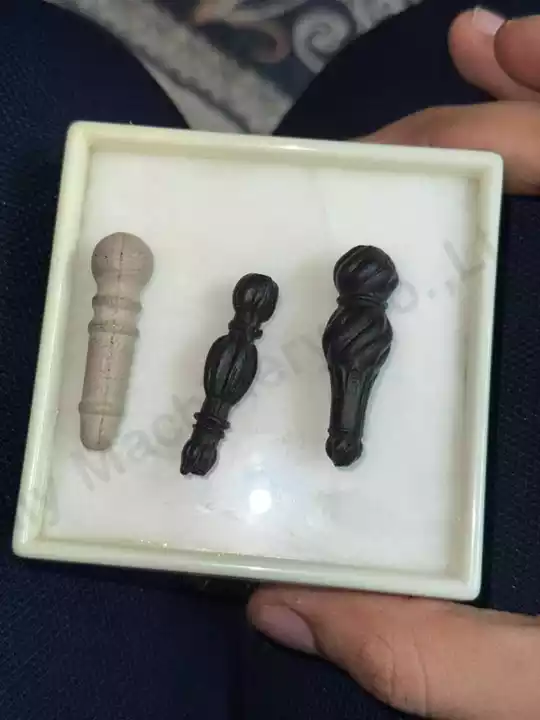
The secret behind perfectly round incense beads lies in the rolling process.
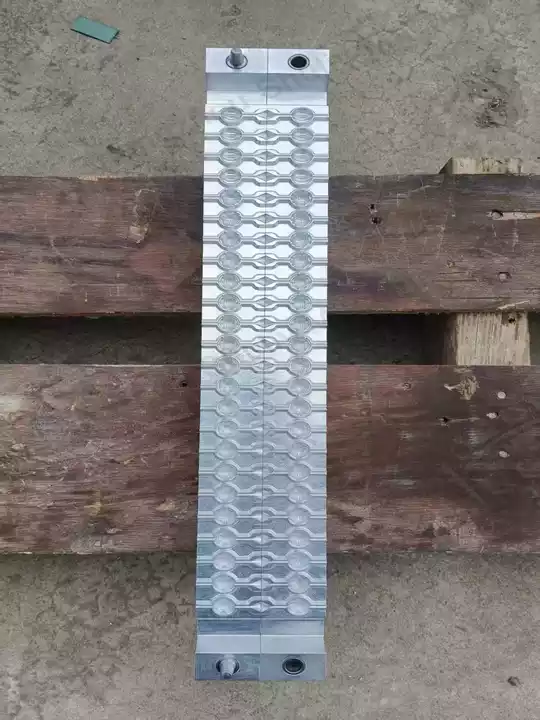
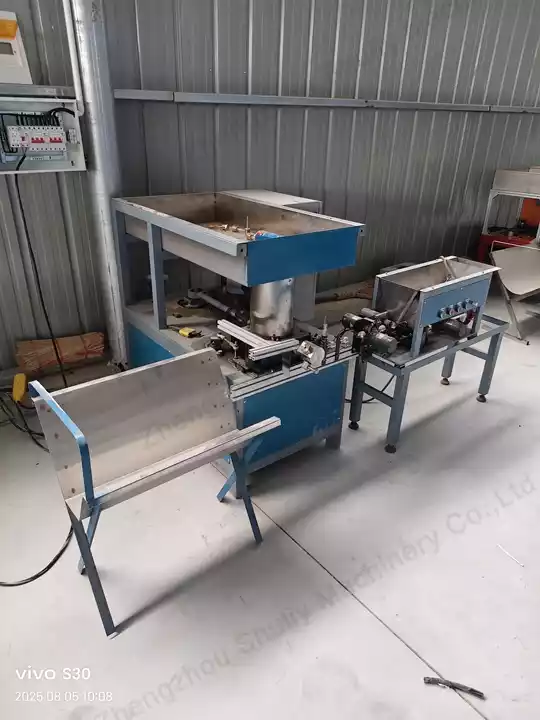
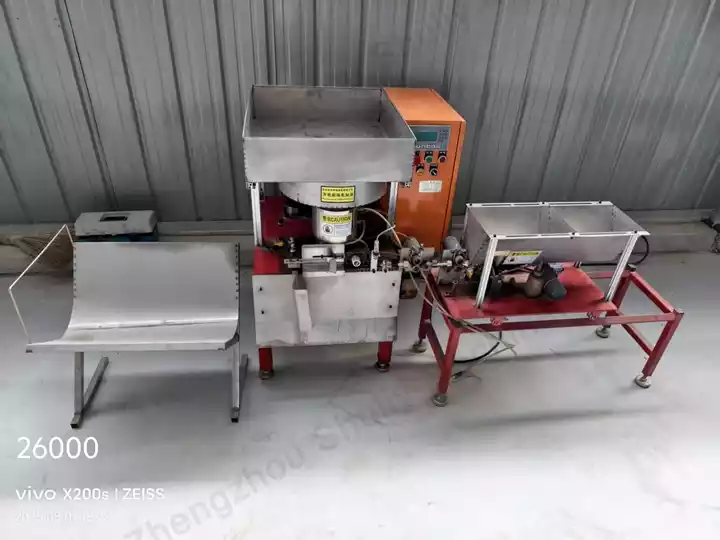
Rather than pressing the material into a mold, an automatic incense bead machine gradually rolls the powder into spheres. As the beads rotate continuously, new material is added layer by layer until the desired diameter is reached.
This rolling action creates beads that are naturally round with a smooth surface.
Compared with manual production, automated rolling provides much greater consistency, especially when producing large quantities.
Controlling Moisture Throughout Production
Moisture continues to play an important role even after the beads have been formed.
If freshly made beads dry too quickly, surface cracks may appear. If drying is too slow, deformation can occur.
Maintaining appropriate drying conditions helps preserve the round shape while improving storage stability and product quality.
Many manufacturers use drying equipment to shorten production time and achieve more consistent results.
Why More Producers Choose Automatic Forming
Traditional handmade incense beads require skilled workers and considerable patience.
As production volume increases, manual rolling often leads to:
- Different bead sizes
- Irregular shapes
- Lower production efficiency
- Higher labor costs
- Inconsistent product quality
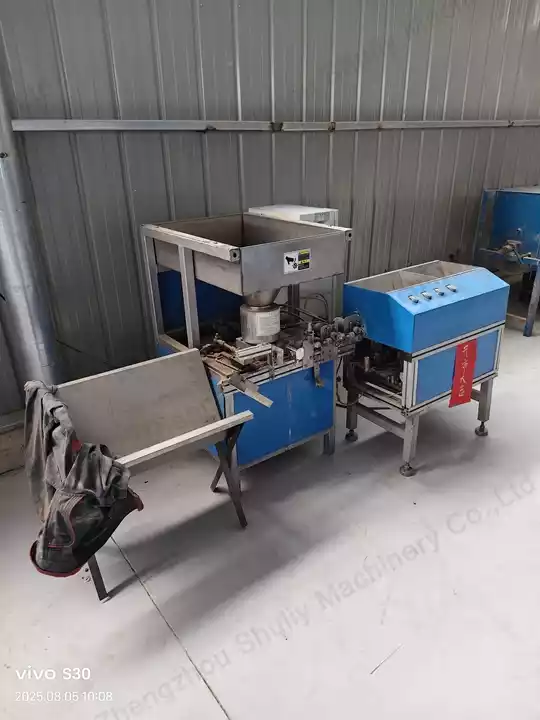
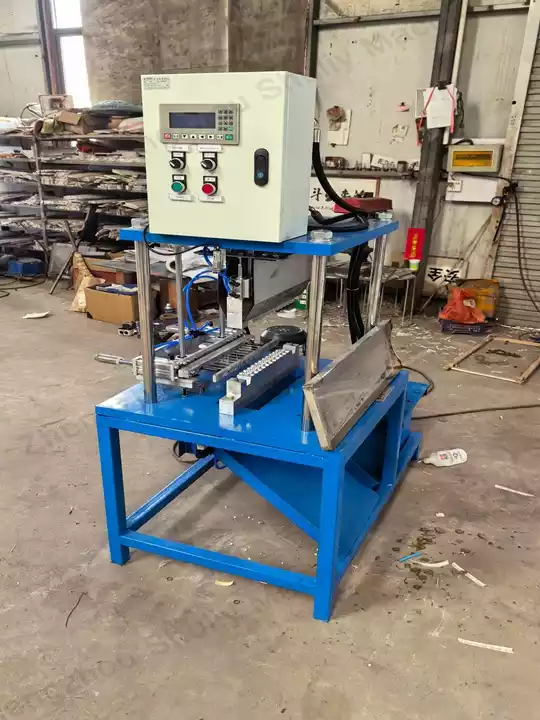
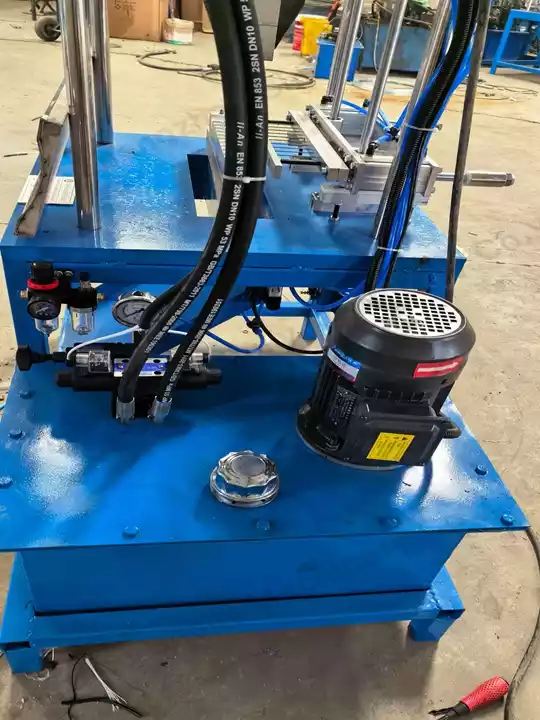
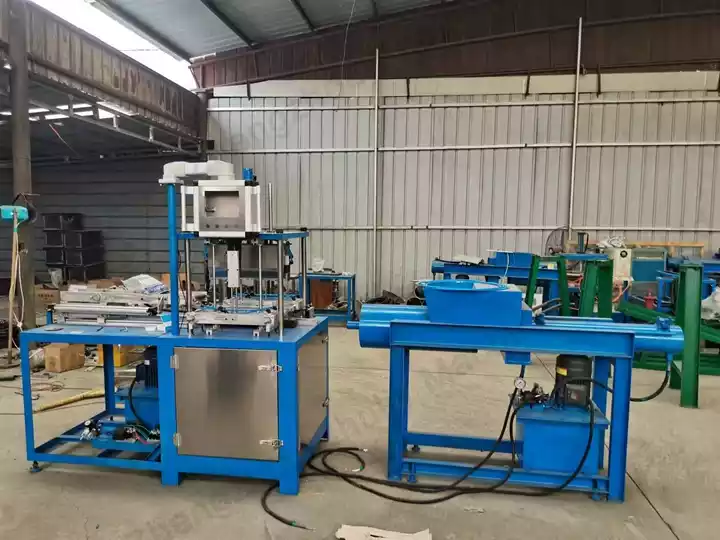
An automatic incense bead machine helps standardize the rolling process, allowing manufacturers to produce large quantities of uniformly shaped beads with much greater efficiency.
This is one reason automated incense production is becoming increasingly common among commercial manufacturers.
Building a More Efficient Incense Production Process
As demand for premium incense products continues to grow, manufacturers are paying closer attention to production efficiency as well as product appearance.
Producing perfectly round incense beads depends on the right combination of raw materials, moisture control, powder preparation, and stable forming technology.
For businesses looking to improve consistency and expand production capacity, an automatic incense bead machine offers a practical solution for producing high-quality incense beads while reducing labor requirements and increasing productivity.