
How to Dry Incense Beads After Machine Forming?
For incense manufacturers, drying is one of the most critical stages in the production process — and also one of the most challenging. After incense beads are formed by an incense bead making machine, they contain 30–40% moisture from the binding agents and water used in the dough. If this moisture is not removed properly, the beads will crack, warp, lose their fragrance, or develop mold during storage.
On the other hand, drying too quickly or at the wrong temperature can cause surface hardening while leaving the core wet, leading to internal stress fractures. The solution lies in a precisely controlled incense drying machine that manages temperature, humidity, and airflow to produce perfectly dried beads every time.
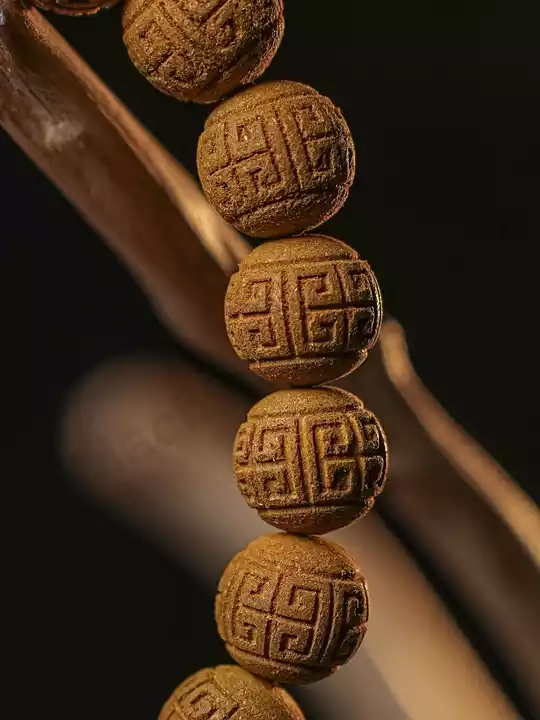

Understand the Moisture Challenge in Freshly Formed Incense Beads
Incense beads are made from a paste of aromatic powders (wood powder, charcoal, jigat, and fragrance oils) mixed with water and a binding agent such as makko powder or natural gum. After forming, this paste is soft, pliable, and saturated with moisture. The water content must be reduced to 8–12% for the beads to become hard, durable, and ready for packaging.
The drying process is delicate because incense beads are small and dense. If the surface dries too fast, it forms a hard crust that traps moisture inside. When the internal moisture eventually evaporates, it creates pressure that cracks the bead from within. A quality incense drying machine solves this problem by controlling the drying rate — starting at a lower temperature and gradually increasing it as moisture migrates from the core to the surface.


Start with a Low-Temperature Preheating Stage
The first stage of drying is the most important for preventing cracks and preserving fragrance. Freshly formed incense beads should never be exposed to high heat immediately. Instead, the incense drying machine should begin at a gentle temperature of 35–40°C for the first 2–3 hours.
During this preheating stage:
- The surface moisture begins to evaporate slowly, preventing rapid surface hardening.
- The binding agents start to set without thermal shock.
- The fragrance oils remain stable and do not volatilize prematurely.
- The beads retain their shape and do not warp or deform.
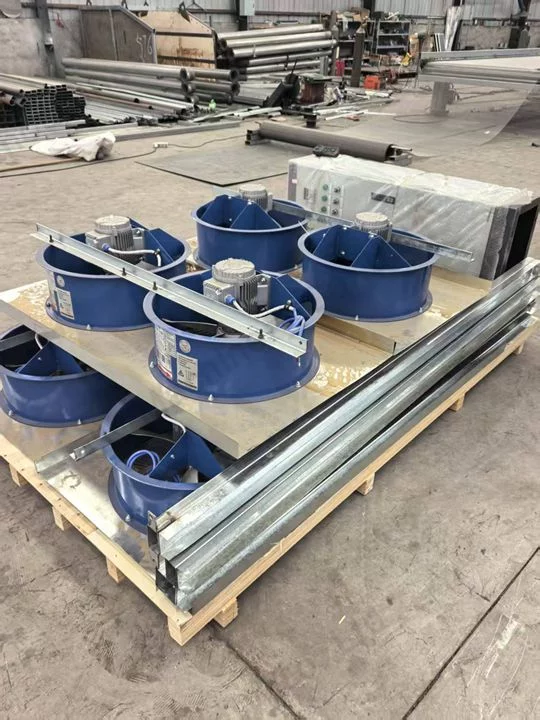
A hot air circulation incense drying machine uses a centrifugal fan to distribute warm air evenly throughout the drying chamber, ensuring that every bead — whether on the top rack or the bottom — receives the same gentle heat. Without forced air circulation, beads near the heat source dry faster than those in cooler zones, creating uneven moisture content across the batch.


Use Controlled Temperature Ramping for Deep Dehumidification
After the surface has set, the drying temperature can be gradually increased to draw moisture from the interior of the beads. This is the deep dehumidification stage, where the core moisture migrates to the surface and evaporates.
A typical temperature profile for an incense drying machine looks like this:
- Stage 1 (Surface setting): 35–40°C for 2–3 hours
- Stage 2 (Deep drying): 45–50°C for 8–12 hours
- Stage 3 (Final curing): 50–55°C for 1–2 hours
The key is the gradual temperature ramp. Jumping straight to 50°C or higher causes the surface to seal prematurely, trapping moisture inside. A programmable incense drying machine with a multi-stage temperature controller automates this ramp, ensuring consistent results without constant operator attention.


Ensure Uniform Air Circulation Across All Trays
Uneven airflow is one of the most common causes of inconsistent drying. Beads on trays near the fan or heat source may over-dry and become brittle, while beads in stagnant corners remain damp and soft.
A well-designed incense drying machine addresses this with:
- Forced hot air circulation: A powerful centrifugal fan (typically 6–8 m/s air velocity) pushes heated air through ducting that distributes it evenly across all tray levels.
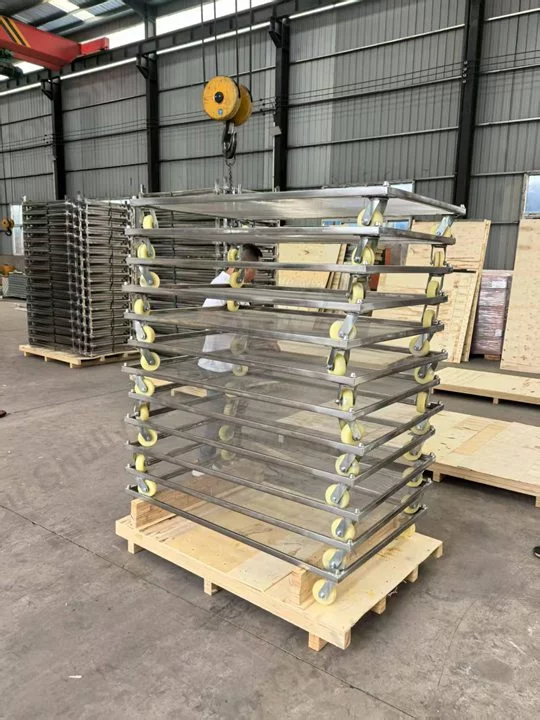
- Multi-layer tray racks: Stainless steel trays are spaced to allow air to flow between layers without obstruction.
- Adjustable tray spacing: For larger beads or incense cones, tray spacing can be increased to prevent airflow blockage.
- Reversible airflow (optional): Some advanced dryers alternate airflow direction periodically, ensuring that beads on every tray receive equal exposure.
With uniform air circulation, every bead in the batch reaches the same final moisture content — eliminating the need to sort out under-dried or over-dried pieces.

Monitor Moisture Content for Consistent Quality
The goal of drying is not just to remove water — it is to reach a specific, repeatable moisture content that ensures hardness, burn quality, and shelf stability. The target moisture content for incense beads is typically 8–12%.
جدید incense drying machines offer several ways to monitor and verify moisture:
- Infrared moisture sensors: Non-contact sensors measure the surface moisture of beads in real time and adjust drying parameters automatically.
- Weight-based monitoring: Some systems track the total weight of the tray rack; when weight loss stabilizes, drying is complete.
- Sample testing: Operators can remove sample beads and use a handheld moisture meter to verify core dryness.
- Programmable end-point control: The dryer automatically transitions to a cooling phase once the programmed drying time and temperature profile are complete.
Reaching the correct moisture content is critical. Beads that are too dry (below 8%) become brittle and may crumble during handling or packaging. Beads that are too wet (above 12%) will mold in storage and burn poorly.


A Complete Incense Drying Production Line
For manufacturers producing incense beads at scale, drying is not a standalone process — it is part of a coordinated production line where each stage feeds the next:
- Raw material mixer: Blends aromatic powders, binding agents, and water into a uniform dough.
- Incense bead forming machine: Extrudes or molds the dough into uniform beads.
- Tray loading station: Workers or automated systems arrange fresh beads on stainless steel drying trays.
- Incense drying machine (hot air circulation dryer): Removes moisture through controlled temperature, humidity, and airflow.
- Moisture inspection station: Verifies that beads have reached the target moisture content.
- Cooling and conditioning area: Allows beads to stabilize at ambient temperature before packaging.
- Automatic packaging machine: Counts, bags, or boxes the dried beads for distribution.
A fully integrated incense production line ensures that every batch of beads is formed, dried, and packaged under consistent conditions — producing uniform quality from the first bead to the last.

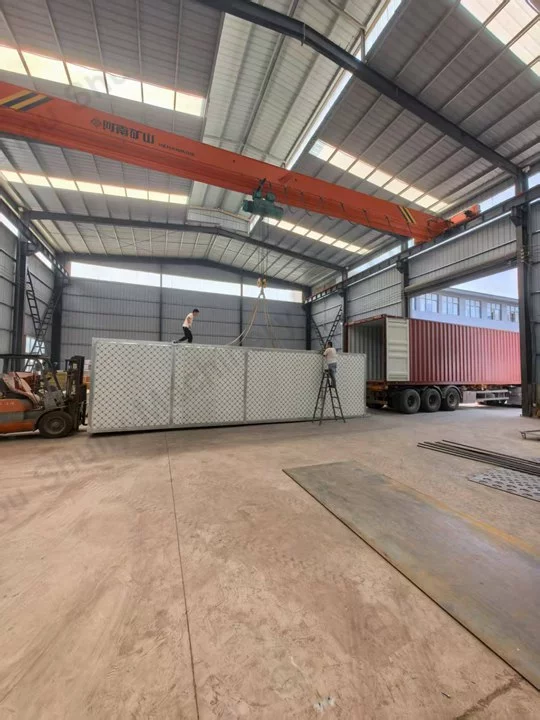
Choose the Right Incense Drying Machine for Your Production
Selecting the right incense drying machine for your incense bead production depends on your batch size, bead size, and required throughput. Key factors to consider:
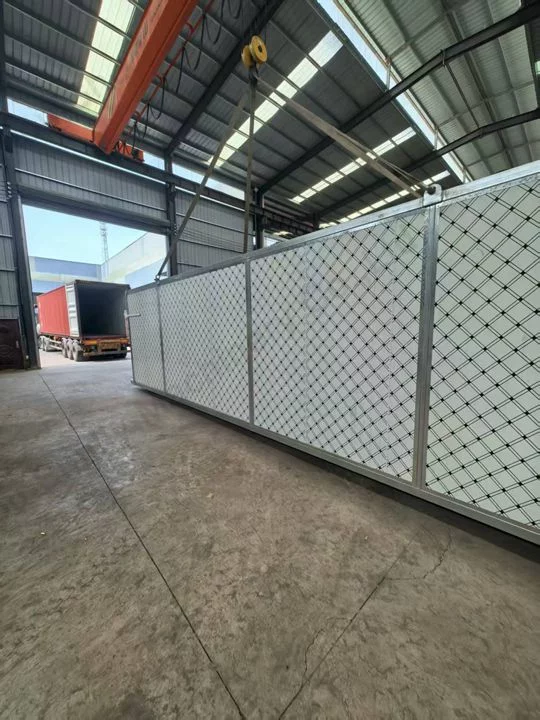
- Chamber capacity: From 50 kg per batch (small cabinet dryers) to 1,500 kg per batch (industrial drying rooms).
- Temperature range: 35–80°C, with programmable multi-stage temperature profiles.
- Humidity control: Integrated dehumidifier with adjustable humidity setpoints.
- Air circulation: Forced hot air with adjustable fan speed and airflow direction.
- Tray configuration: Stainless steel trays with adjustable spacing; number of tray layers (typically 10–20).
- Heating method: Electric heating elements, gas burners, or heat pump technology (heat pump dryers save 60–75% energy compared to electric resistance heating).
- Control system: PLC or digital controller with programmable recipes, real-time temperature/humidity display, and automatic shutdown.
- Energy efficiency: Heat recovery systems and insulated chamber walls reduce operating costs.
- Drying time: Typical batch drying cycles range from 12–20 hours depending on bead size and initial moisture content.


Ready to Upgrade Your Incense Bead Drying Process?
Our incense drying machine features precise temperature and humidity control, forced hot air circulation, multi-stage programmable drying profiles, and energy-efficient heat pump technology — all engineered to produce perfectly dried incense beads with preserved fragrance, uniform hardness, and zero cracks.
Contact us today for a free consultation and quotation. Send us the following details, and we will respond within 24 hours with a customized equipment recommendation and price:
- Your target batch capacity (e.g., 100 kg/batch, 500 kg/batch, 1,500 kg/batch)
- Your bead size and shape (round beads, oval beads, cones, or custom)
- Your current drying method (sun drying, electric oven, or none)
- Your available workshop space and location
- Any special requirements (CE certification, voltage, heat pump vs. electric heating, automation level, etc.)
Reach out now and let our engineers help you select an incense drying machine that delivers consistent, high-quality dried incense beads — batch after batch, regardless of weather.