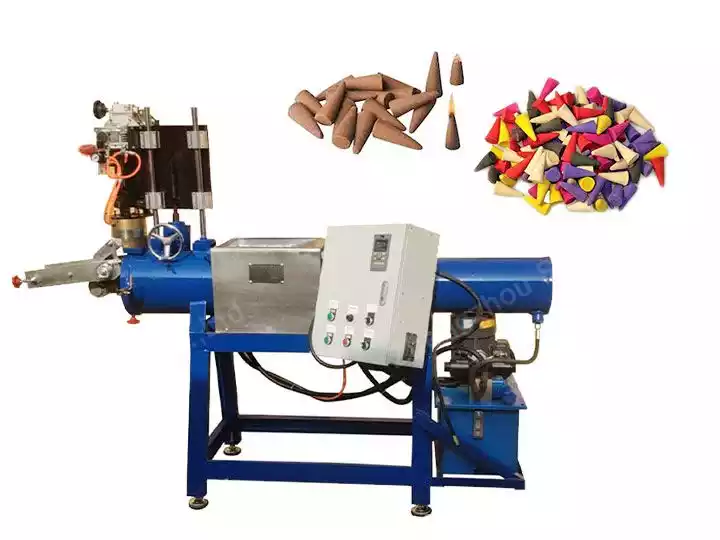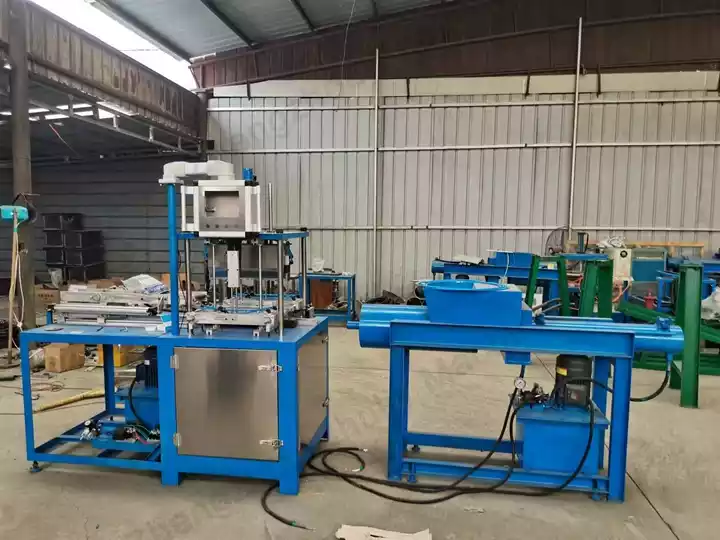
انڈونیشیا میں عود بنانے والی مشینوں کی قیمت
انڈونیشیا دنیا کے بڑے مصرف کنندگان اور عود جات کے برآمد کنندگان میں سے ایک ہے۔ مندروں اور مذہبی مراسم سے لے کر گھریلو استعمال تک، عود کی گہری ثقافتی جڑیں اس ملک میں پائی جاتی ہیں۔ نتیجتاً انڈونیشیا کے زیادہ سے زیادہ چھوٹی اور درمیانی کاروبار خودکار عود کی ڈنڈی مشینوں میں سرمایہ کاری کر रहे ہیں تاکہ مقامی و برآمدی طلب کو پورا کیا جا سکے۔
لیکن انڈونیشیا میں عود بنانے والی مشین کی قیمت کتنی ہوتی ہے، اور کن عوامل کی بنا پر اس کی قیمت طے ہوتی ہے؟

عود بنانے والی مشینوں کی قیمت پر اثر انداز ہونے والے عوامل
انڈونیشیا میں عود مشینوں کی قیمت کئی اہم عوامل پر منحصر ہو کر وسیع فرق رکھ سکتی ہے:
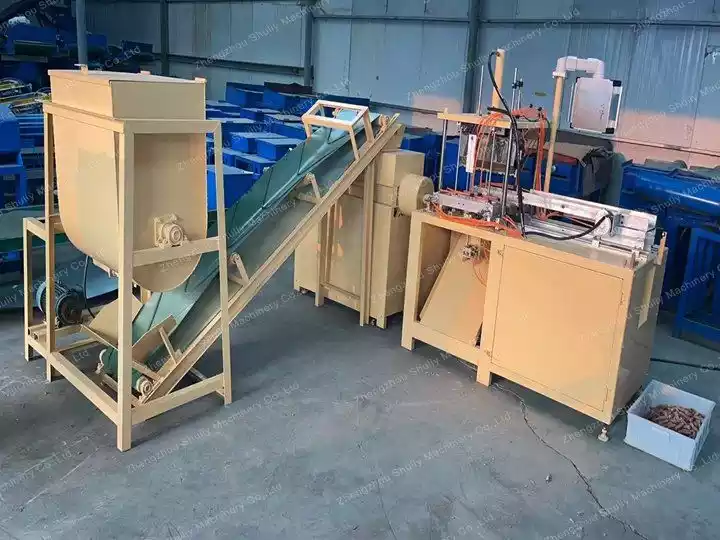
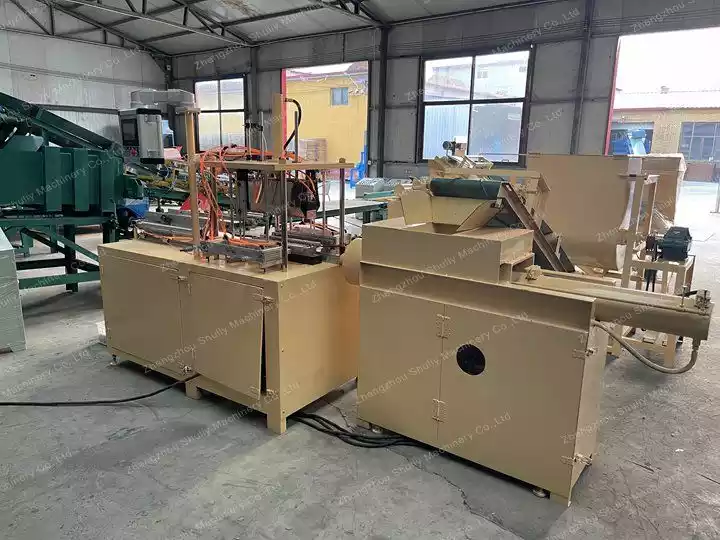
Production capacity – small semi-automatic incense stick machines (10–30 kg/h) are more affordable, while high-output automatic models (100–200 kg/h) are higher priced.
Automation level – machines with automatic feeding, cutting, and counting systems require less labor and therefore cost more upfront but save long-term costs.
Material and build quality – stainless steel and heavy-duty structures ensure a longer lifespan and stable performance, which increases the price slightly but lowers maintenance.
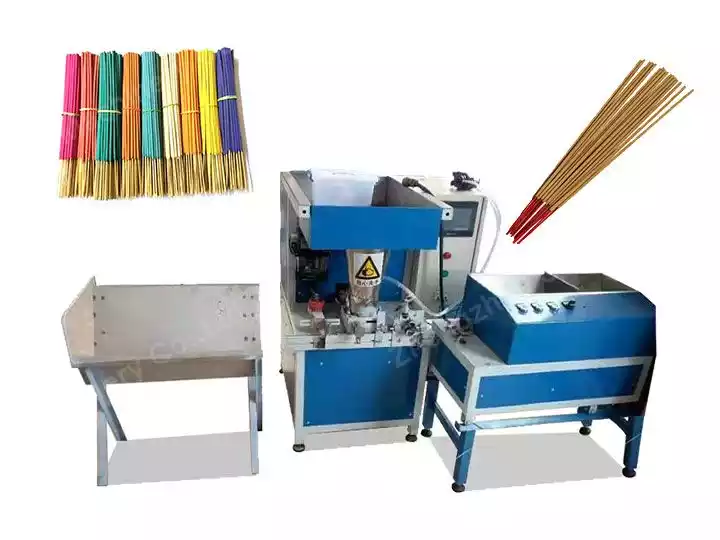
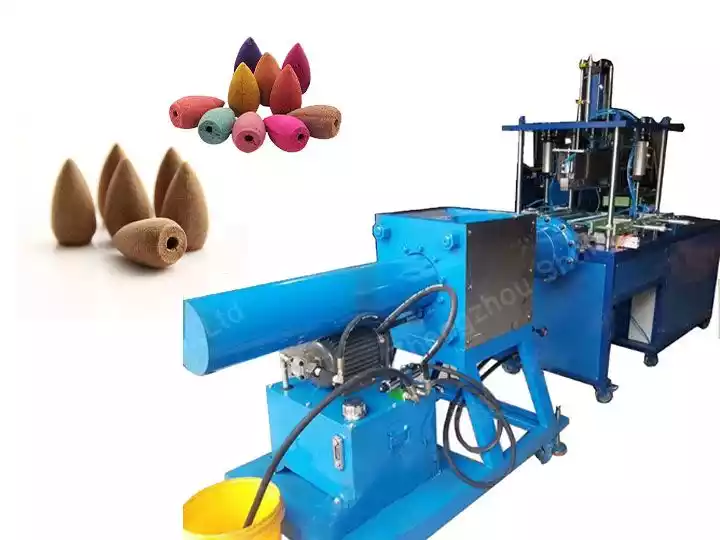
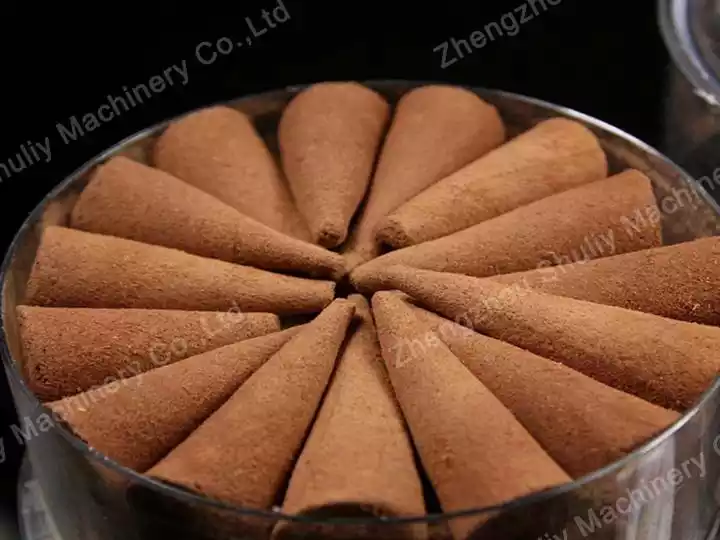
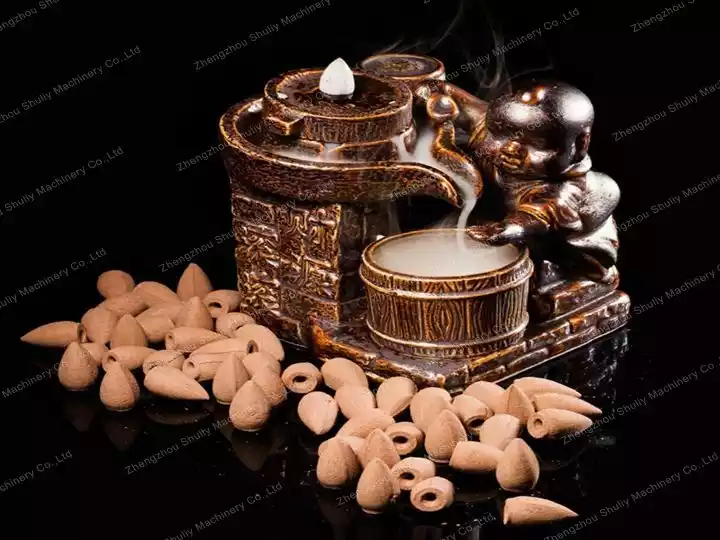
Machine function type – there are different types of machines, such as agarbatti machines, cone incense machines, and backflow incense machines. Each has different designs and molds.
Brand and after-sales service – choosing an established manufacturer like Shuliy Machinery provides localized installation guidance and remote after-sales support.
انڈونیشی خریدار عود مشینوں میں سرمایہ کیوں کر رہے ہیں؟
انڈونیشیا میں خوشبو کی صنعت کے مقامی اور برآمدی مارکیٹیں مضبوط ہیں۔ جاوا، بالی، اور سوماترا کے صنعتکار خاص طور پر فعال ہیں۔
خوشبو کی مشینوں میں سرمایہ کاری کے اہم وجوہات:
Low raw material cost – wood powder and charcoal dust are easily available locally.
High profit margin – finished incense sticks have a high market value compared to raw materials.
Small space needed – a full incense production setup can fit in a small workshop.
Quick ROI – most businesses can recover their investment within 3–6 months due to daily sales volume.
سرمایہ کاری پر واپسی کا تجزیہ
A medium-configuration fully automatic incense-making machine can produce 20–50kg of incense products per hour. Operating an average of 8 hours daily, it yields over 400kg of incense. Calculated at a profit margin of $1.50 per kilogram of finished product, monthly net profits can reach $1,000–$3,000.
مقامی انڈونیشی کاروباریوں کے لیے عود پروڈکشن لائن میں سرمایہ کاری صرف چند لاکھ RMB کی ضرورت ہے۔ کم واپسی مدت کے ساتھ یہ سیٹ اپ SMEs کے لیے موزوں ہے جو مذہبی اشیاء اور روزمرہ خوشبو مارکیٹوں میں تیزی سے داخلہ چاہتے ہیں۔
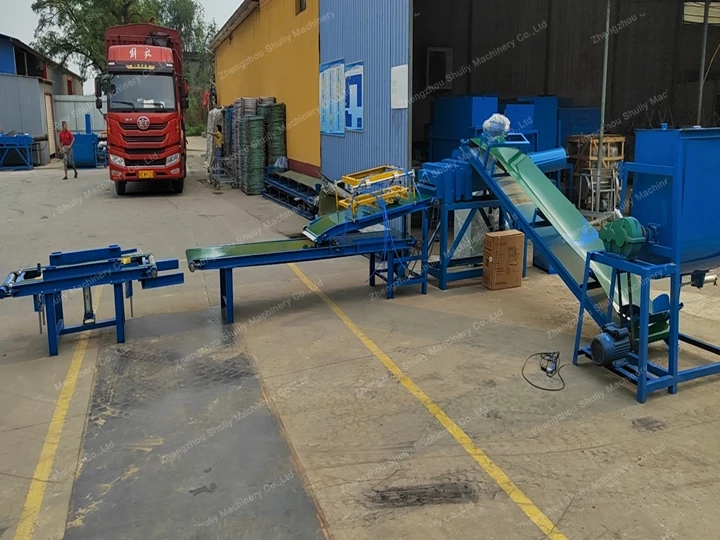
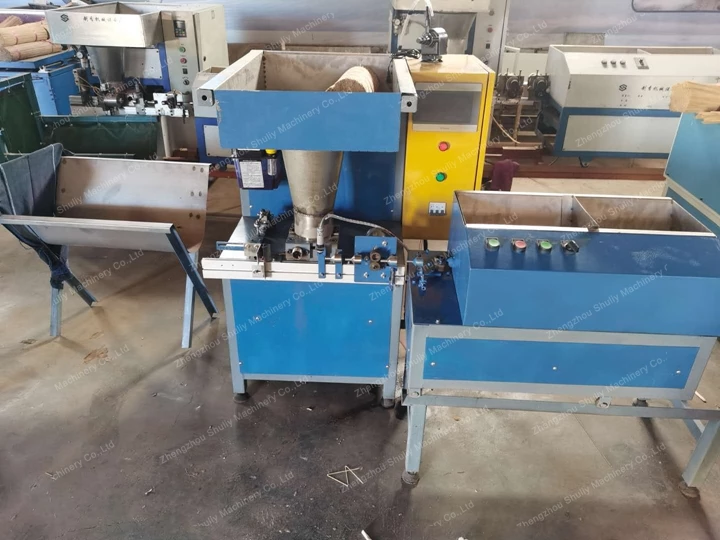
انڈونیشی سرمایہ کاروں کے لیے سفارش کردہ مشینیں
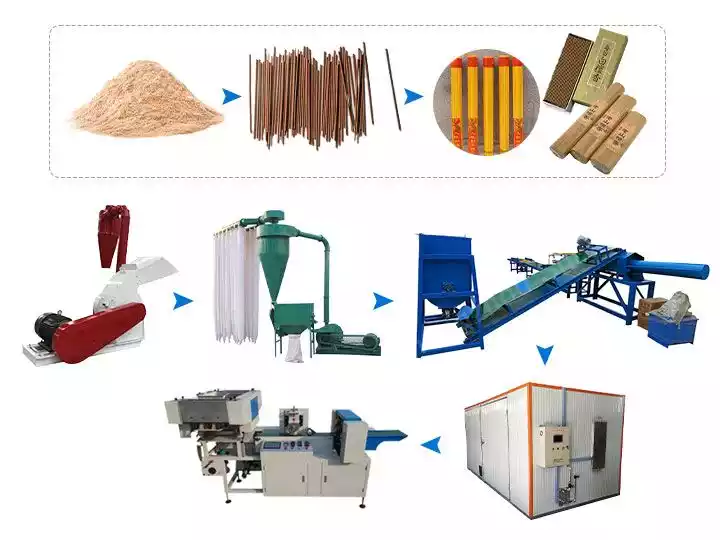
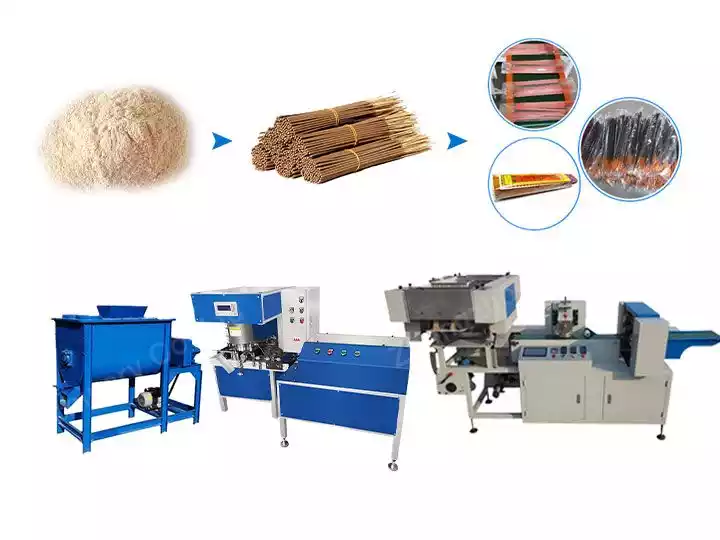
انڈونیشیا میں زیادہ تر چھوٹے و درمیانی سطح کے عود کارخانہ داروں کے لیے بہترین انتخاب مکمل طور پر خودکار عود اسٹک مشین ہے جس کے ساتھ:
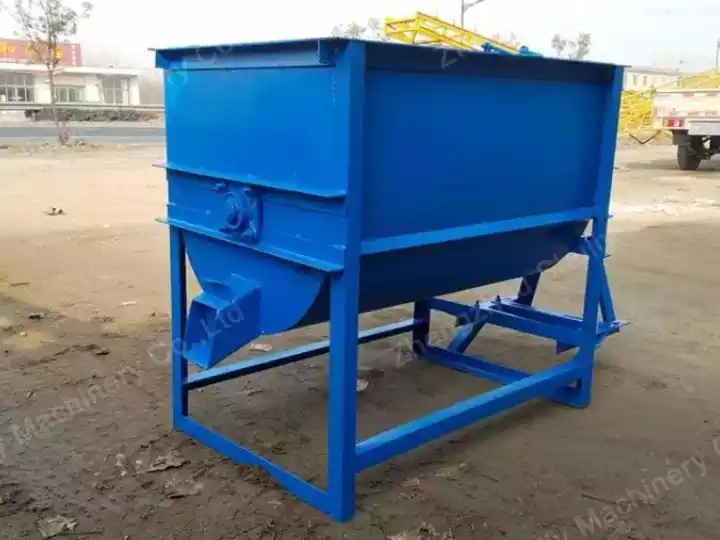
- پاؤڈر مکسنگ مشین: لکڑی کے پاؤڈر اور چپکنے والی مواد کو برابر مکس کریں۔
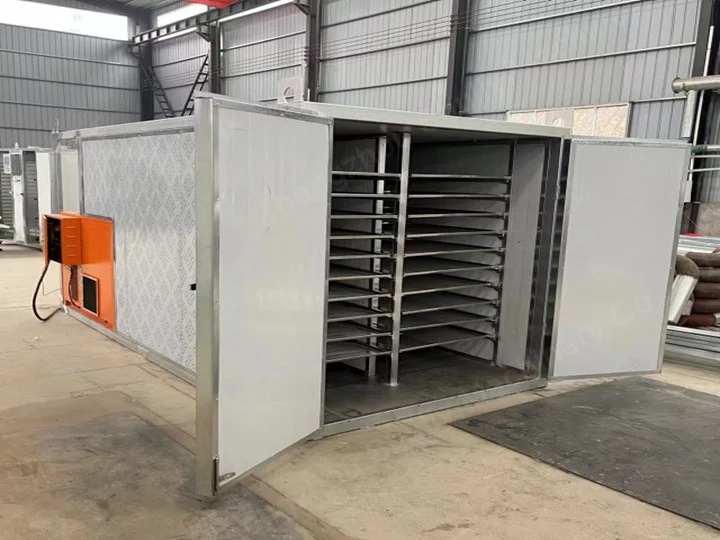
- خشک کرنے کا کمرہ یا خشک کرنے والی مشین: خشک ہونے کی رفتار کو تیز کریں یہاں تک کہ مرطوب ماحول میں بھی۔
- پیکنگ مشین: پیکجنگ کی رفتار اور مصنوعات کے ظاہری شکل کو بہتر بنانے کے لیے۔
This complete دھونی بنانے کی پیداوار لائن solution helps ensure consistent quality, high output, and easy operation — ideal for both local sales and export production.
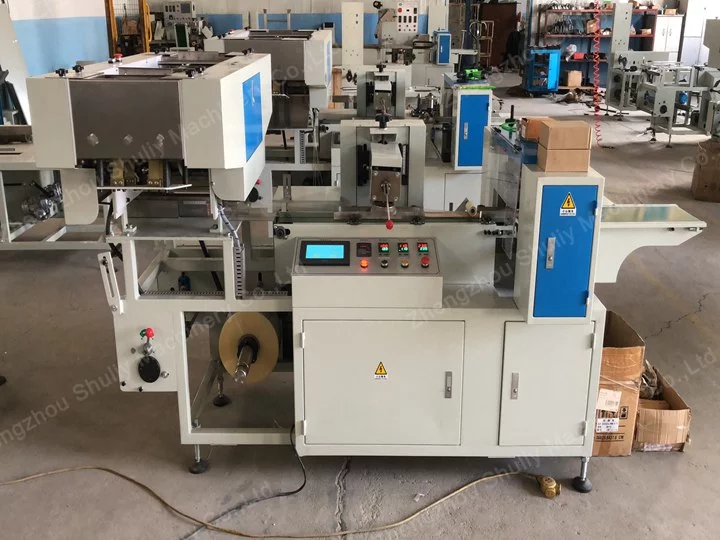
فوائد of Shuliy عود بنانے والی مشینیں
Automated design: achieves a stable incense yield rate of up to 99%, minimizing raw material waste
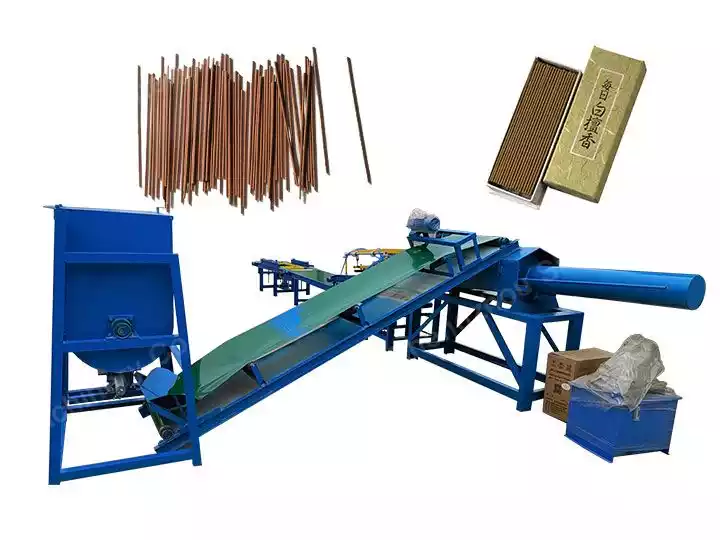
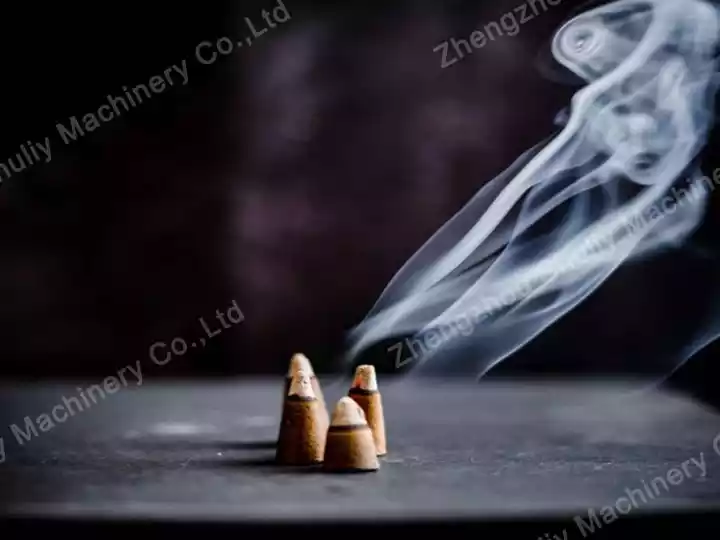
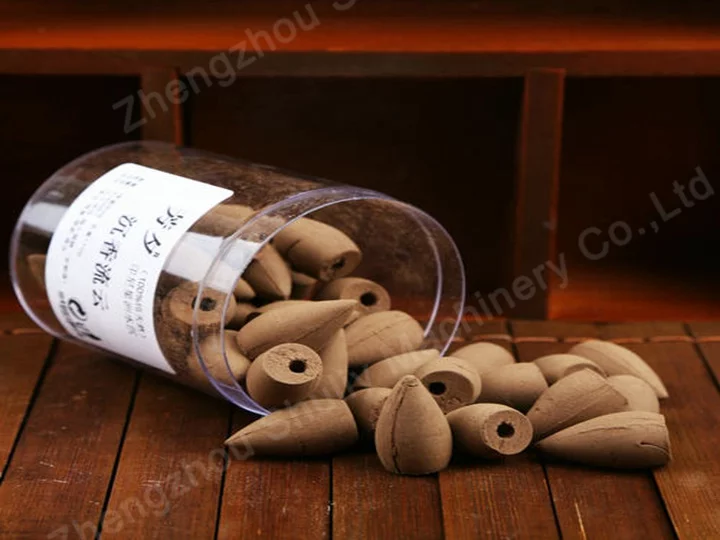
Diverse mold options: supports production of various incense types, including stick incense, tower incense, backflow incense, and bamboo stick incense

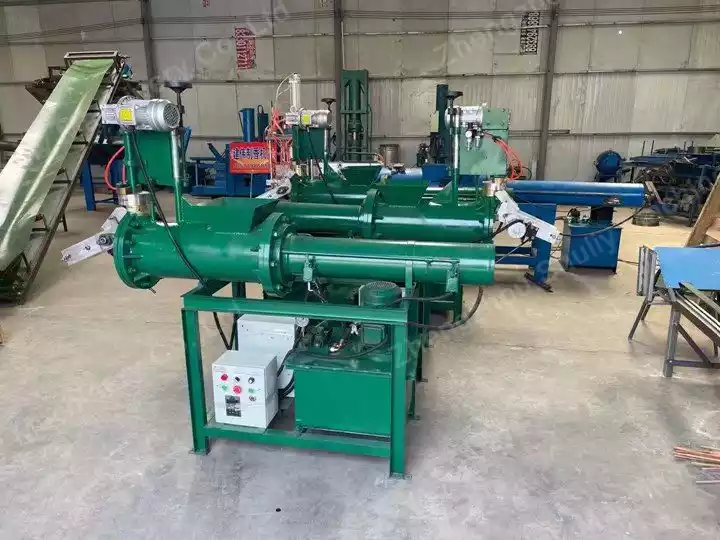
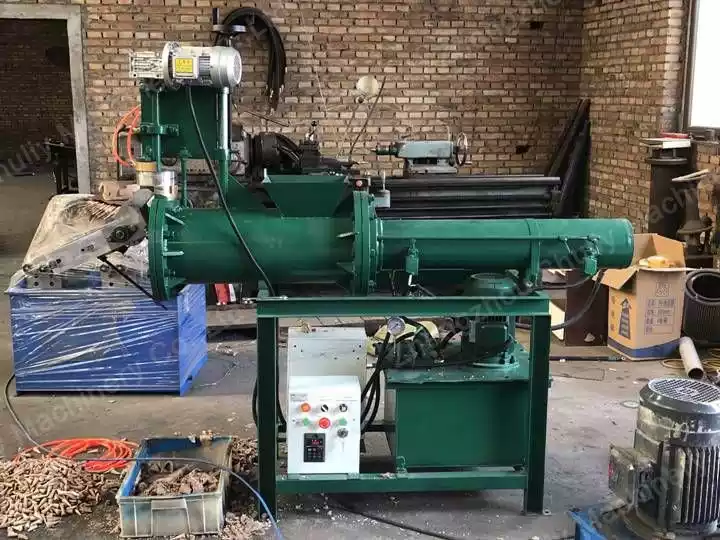
Simple operation: only 1–2 operators are needed to complete the entire process of incense making, drying, and packaging
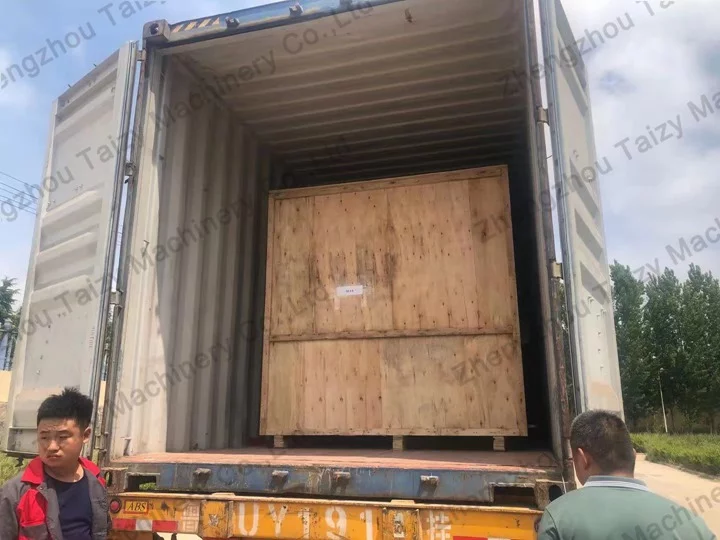
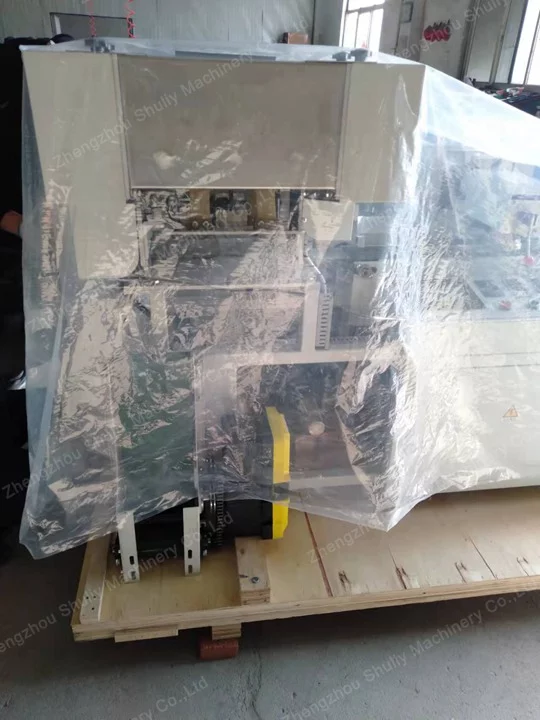
Extensive export experience: Shuliy equipment has been exported to over 20 countries, including Indonesia, India, Vietnam, and Malaysia
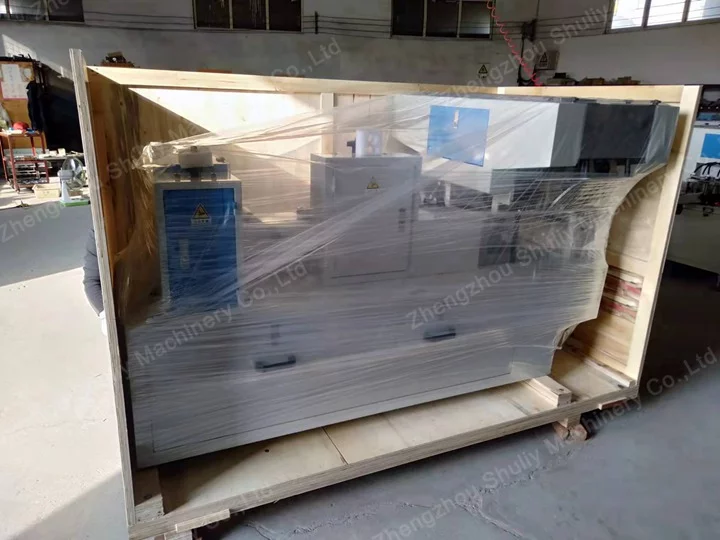
قابل اعتماد سامان منتخب کریں
دینے کی مذہبی و روزمرہ کی کیمیائی منڈیوں کی مسلسل ترقی کے ساتھ، انڈونیشیا کی عود سازی کی صنعت نئے ترقیاتی مواقع کے لیے تیار ہے۔
Selecting a cost-effective, highly automated Shuliy incense machine not only reduces production costs but also rapidly boosts production capacity and market competitiveness.