How to Start an Incense Business with Local Fragrant Materials?
If you have access to agarwood, sandalwood, or other aromatic materials — whether through local forests, family plantations, trading connections, or regional supply chains — you are sitting on one of the most valuable raw material assets in the fragrance industry. But raw material alone does not create a business. The real margin — the value that transforms a commodity into a branded product — comes from processing those materials into finished, wearable, sellable incense products.
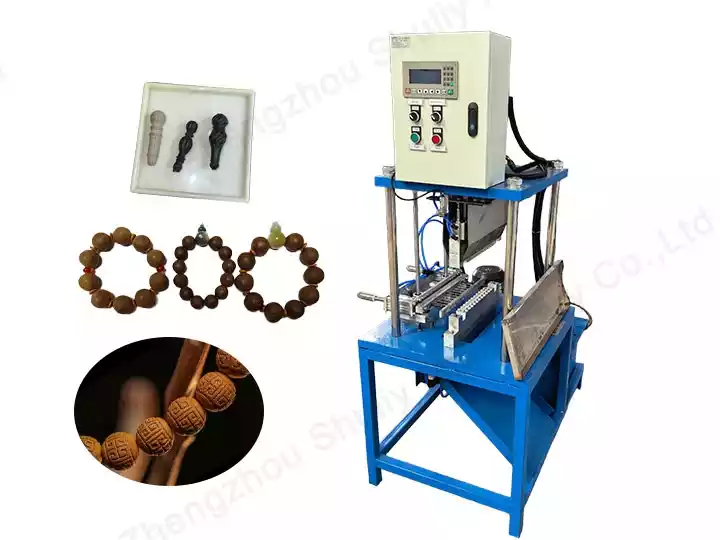
And one of the fastest-growing product categories in the incense world is incense beads: wearable, portable fragrance beads made from blended aromatic powders, pressed into a uniform shape by an incense bead machine.
This article walks you through how to turn your local fragrant materials into a profitable incense bead business — from raw material evaluation to formulation, machine selection, production setup, and market positioning.
Evaluate Your Raw Material Advantage
The first step in starting any incense business is understanding what you have. Different aromatic materials produce different scent profiles, product types, and price points:
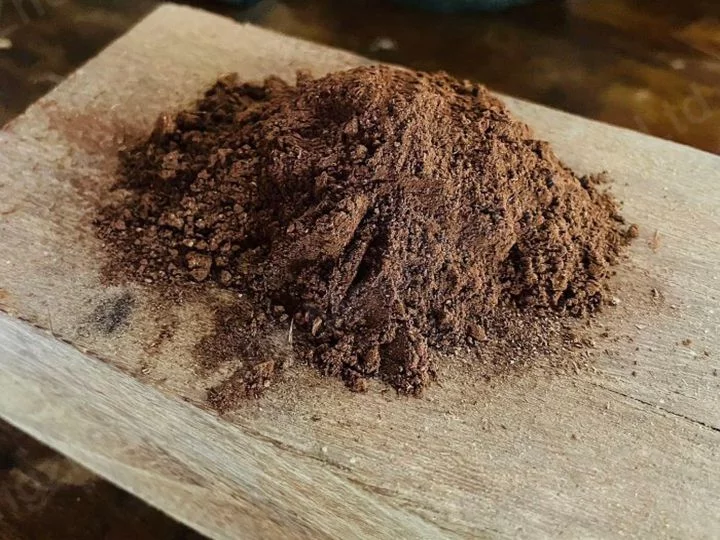
- Agarwood (oud): The most valuable incense material in the world. Resin-rich heartwood produces deep, complex, woody-sweet aromas. Used in premium incense beads, bracelets, and religious products. Even lower-grade agarwood powder (from processing scraps, oil-extracted chips, or branch material) is excellent for bead production.
- Sandalwood: Warm, creamy, soft woody scent. Widely used in incense beads, incense sticks, and雕刻 products. More affordable than agarwood but still commands premium pricing. Indian and Australian sandalwood are the most common varieties.
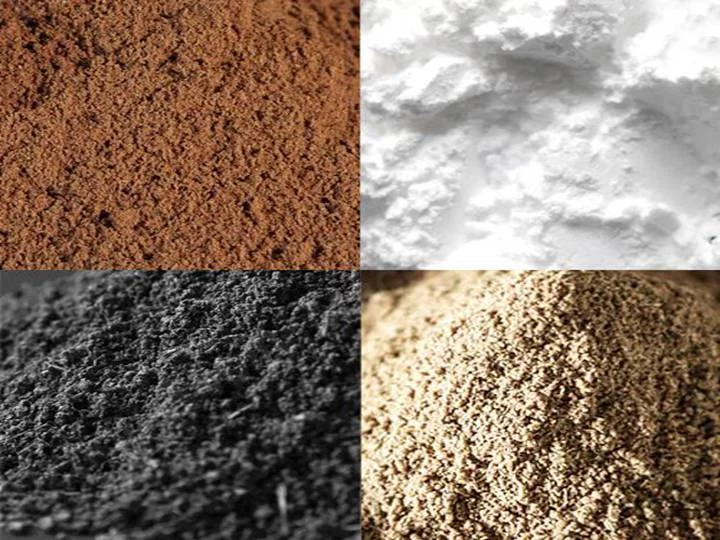
- Other local materials: Patchouli, cedar, cypress, frankincense, myrrh, star anise, clove, and local medicinal herbs can all be incorporated into incense bead formulations. Many successful incense brands differentiate themselves by using regionally unique aromatic materials that are not available elsewhere.
If you already have access to any of these materials — even in modest quantities — you have a structural advantage over competitors who must import raw materials at retail prices. Your cost of goods is lower, your supply is more reliable, and you can offer authentic, locally sourced products that command a premium in the market.
Understand the Incense Bead Market Opportunity
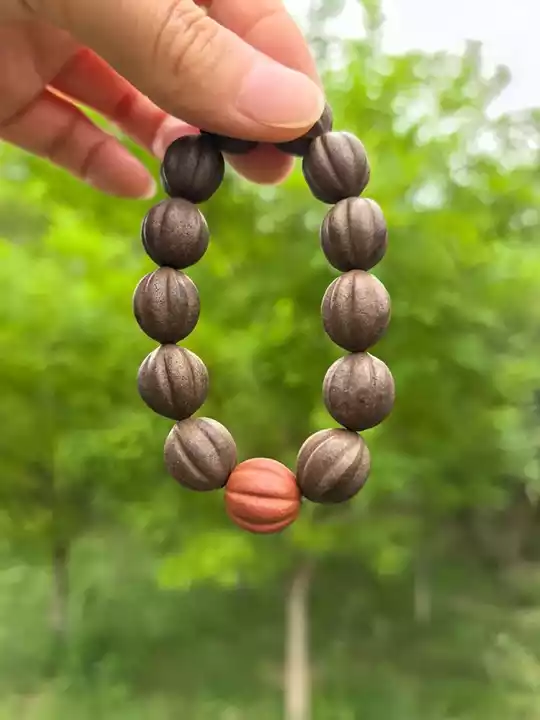
Incense beads are one of the fastest-growing segments in the incense industry. Unlike incense sticks or cones that are burned, incense beads are wearable fragrance products: bracelets, necklaces, earrings, and decorative beads that release aroma slowly through body heat and ambient temperature.
The market drivers are clear:
- Beaded jewelry market: The global beaded jewelry market was valued at $6.9 billion in 2024 and continues to grow steadily.
- Home fragrance growth: Global home fragrance e-commerce grew +21% in 2025, driven by consumer demand for natural, wellness-oriented products.
- Cultural revival: Traditional Chinese incense culture — including incense beads, incense tablets, and wearable aromatics — has experienced a strong revival, with intangible cultural heritage certifications and growing consumer interest.
- Wellness and aromatherapy: Consumers increasingly seek natural, non-synthetic fragrance alternatives. Incense beads made from pure agarwood, sandalwood, and herbal materials fit perfectly into this trend.
A single agarwood incense bead bracelet can retail for $15–80 depending on bead size, material grade, and branding. The cost of raw material per bracelet (typically 15–20 beads, 8–12mm diameter) is often just $1–5. That is a margin structure that very few product categories can match.


Master the Formulation: Blending Your Local Materials
Incense beads are not made from a single material — they are blended formulations that combine multiple aromatic powders with a binding agent and water. The art of formulation is what makes each brand’s beads unique. Here is the basic framework:
Aromatic powder base (60–70% of formula):
- Your primary local material (agarwood, sandalwood, etc.) ground to 80–100 mesh fineness
- Secondary aromatic materials for complexity (e.g., agarwood + sandalwood + patchouli)
Binder (20–30% of formula):
- Natural binders such as nanmu powder, jigat powder, or natural gum
- The binder holds the bead together and determines hardness and burn characteristics
Liquid (10–15% of formula):
- Purified water, or for premium products: herbal decoctions, honey water, or rice wine
- Some traditional formulations soak agarwood and sandalwood in wine overnight before grinding to reduce harshness and enhance fragrance depth
Optional additives:
- Honey (improves smoothness and adds a subtle sweetness)
- Essential oils (to boost surface fragrance for initial consumer appeal)
- Medicinal herbs (for wellness-positioned products)
The formulation is your intellectual property — your recipe is what differentiates your incense beads from every other brand’s. Experiment with ratios, aging times, and material combinations until you find a signature blend that showcases your local materials.
Why Machine Forming Beats Hand Rolling?
Traditionally, incense beads were made entirely by hand: rolling the dough into balls, piercing each one with a needle for the stringing hole, and drying them naturally. This method works for artisanal, small-batch production — but it creates serious problems if you want to scale:
- Inconsistent size and shape: Hand-rolled beads vary by ±2–3mm in diameter, making it impossible to assemble uniform bracelets.
- Uneven density: Manual pressure varies with each bead, leading to inconsistent hardness, varying drying rates, and different burn/wear characteristics.
- Low output: A skilled worker can produce perhaps 200–300 beads per hour by hand. This is far too slow for commercial production.
- No centered hole: Hand-pierced holes are often off-center, crooked, or too large, making beading difficult and producing visible defects in finished bracelets.
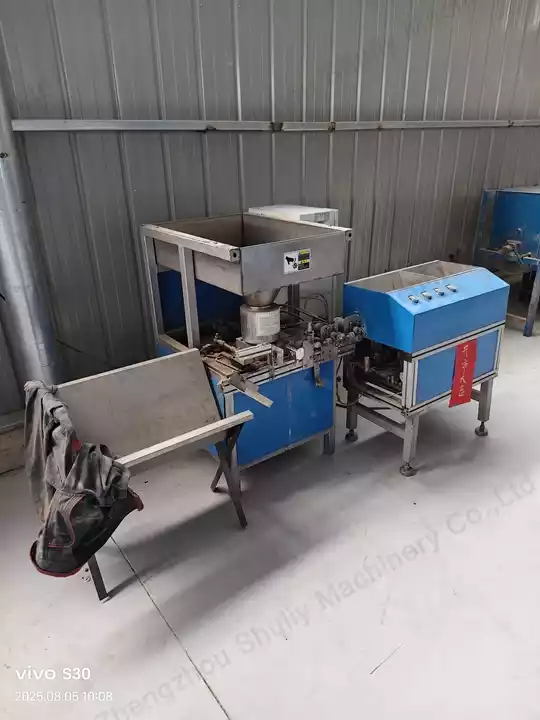
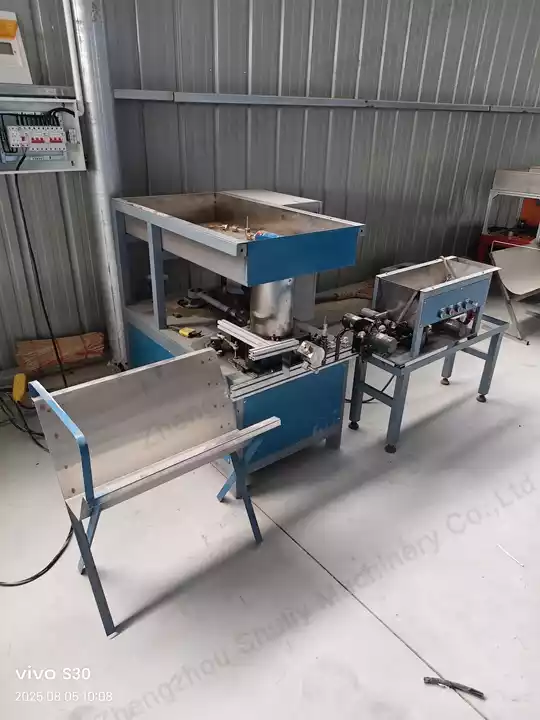
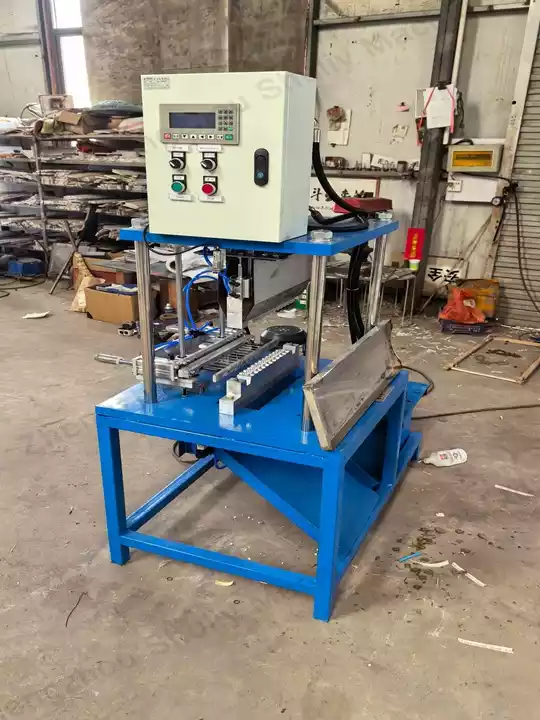
An incense bead making machine solves all of these problems. Using hydraulic constant-pressure forming, the machine compresses the incense dough into a precision mold, producing beads that are:
- Uniform diameter: ±0.2mm tolerance, producing perfectly matched beads for bracelets and necklaces.
- Consistent density: Every bead receives the same pressing force, ensuring uniform hardness, drying behavior, and wear quality.
- Centered pre-drilled hole: The mold includes an integrated centering pin that creates a perfectly centered stringing hole during pressing — no secondary drilling needed.
- High throughput: Machine output ranges from 2,000 to 10,000+ beads per hour depending on model, replacing 10–30 manual workers.

Build Your Incense Bead Production Line
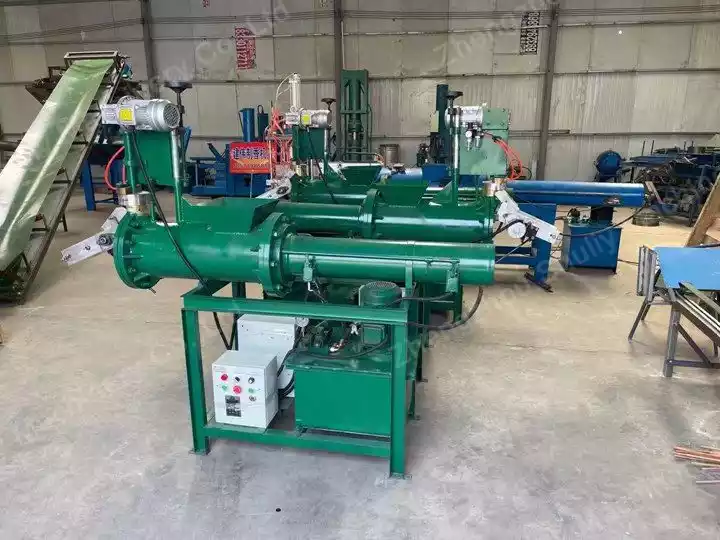
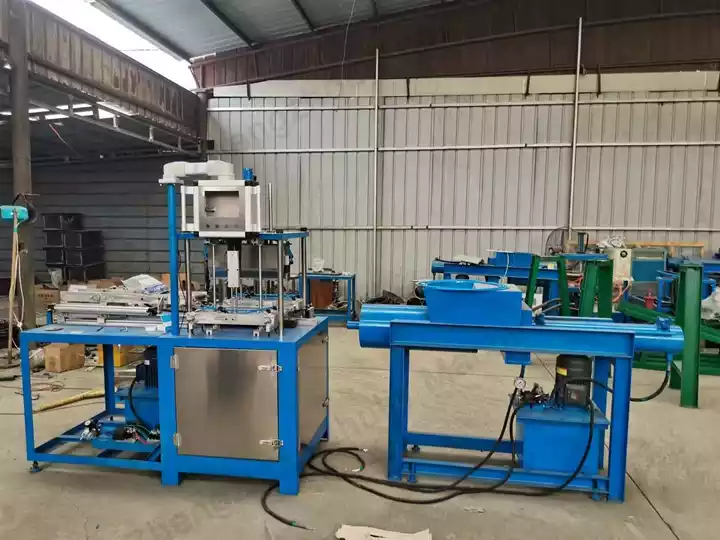
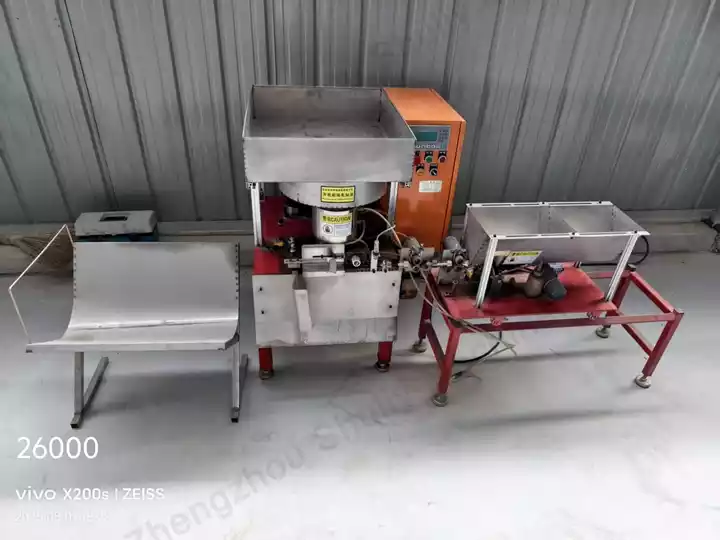
For a commercial incense bead business, the форма для бусин из благовоний is the heart of a small but complete production line. Here is what a typical setup looks like:
- Pulverizer/grinder: Grinds your raw agarwood, sandalwood, or other materials into fine powder (80–100 mesh). A hammer mill or Raymond mill handles hard wood materials efficiently.
- Vibrating sieve: Ensures uniform powder fineness by removing coarse particles and impurities that can cause surface defects in finished beads.
- Mixer: Blends aromatic powders, binder, and liquid into a uniform, workable dough. A planetary mixer or ribbon blender works well for incense dough.
- Incense bead making machine: The core equipment — hydraulic forming with precision molds, centered hole pin, adjustable pressure, and dwell time.
- Сушка cabinet/drying room: Controlled low-temperature drying (35–55°C) with humidity management and air circulation. Proper drying takes 12–20 hours depending on bead size.
- Quality inspection station: Visual inspection for size consistency, surface finish, hole centering, and moisture content (target: 8–12%).
- Stringing/assembly workstation: Workers string beads into bracelets, necklaces, or other finished products. This step can also be semi-automated for high-volume operations.
- Packaging station: Individual bead bags, bracelet boxes, or custom packaging depending on your brand positioning.
A complete production line can be set up in 80–200 square meters of workshop space and scaled from a few thousand beads per day to tens of thousands per day as demand grows.
Ready to Turn Your Fragrant Materials into a Profitable Incense Business?
You already have the most valuable ingredient — local access to agarwood, sandalwood, or other aromatic materials. What you need is the right equipment to transform that raw material into finished, sellable incense bead products.
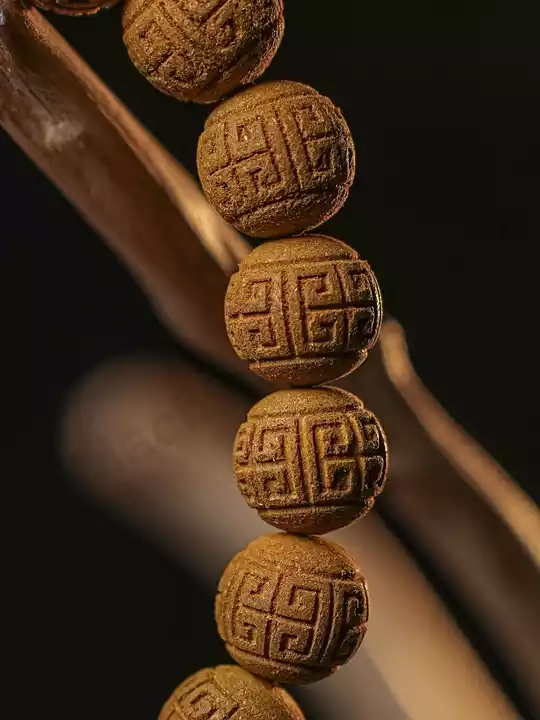
Our incense bead making machine is engineered specifically for blended incense bead production, with hydraulic constant-pressure forming, precision interchangeable molds (6–20mm), integrated centering pin for clean pre-drilled holes, and multi-shape capability (round, barrel, faceted, patterned beads, plus incense tablets and pendants). Whether you are starting with a few kilograms of agarwood per day or scaling to industrial output, we provide the machine, molds, and technical guidance to get your incense bead business into production.
Contact us today for a free consultation and quotation. Send us the following details, and we will respond within 24 hours with a customized equipment recommendation and price:
- Your local material type (agarwood, sandalwood, mixed herbs, etc.)
- Your target daily output (e.g., 2,000 beads/day, 5,000 beads/day, 10,000+ beads/day)
- Your desired bead sizes and shapes (round, barrel, faceted, custom patterns)
- Your available workshop space and power supply
- Any special requirements (custom mold design, multi-product capability, voltage, certification, etc.)
Reach out now and let our engineers help you build an incense bead production line that turns your local fragrant materials into a thriving, high-margin business.